It usually starts with a confusing notification. You open your phone and see a message from an unknown number, a random link, or a comment that feels totally out of place.
Your first thought might be, “Is this even real?” 😕 If you’ve ever wondered why people instantly call such messages spam, you’re not alone.
Many users come across this word in texting or social media long before fully understanding what it actually means. At first, it sounds technical, but over time it becomes part of everyday online language.
If it’s a strange DM, repeated messages, or fake promotions, spam shows up everywhere in digital conversations.
Quick Answer:
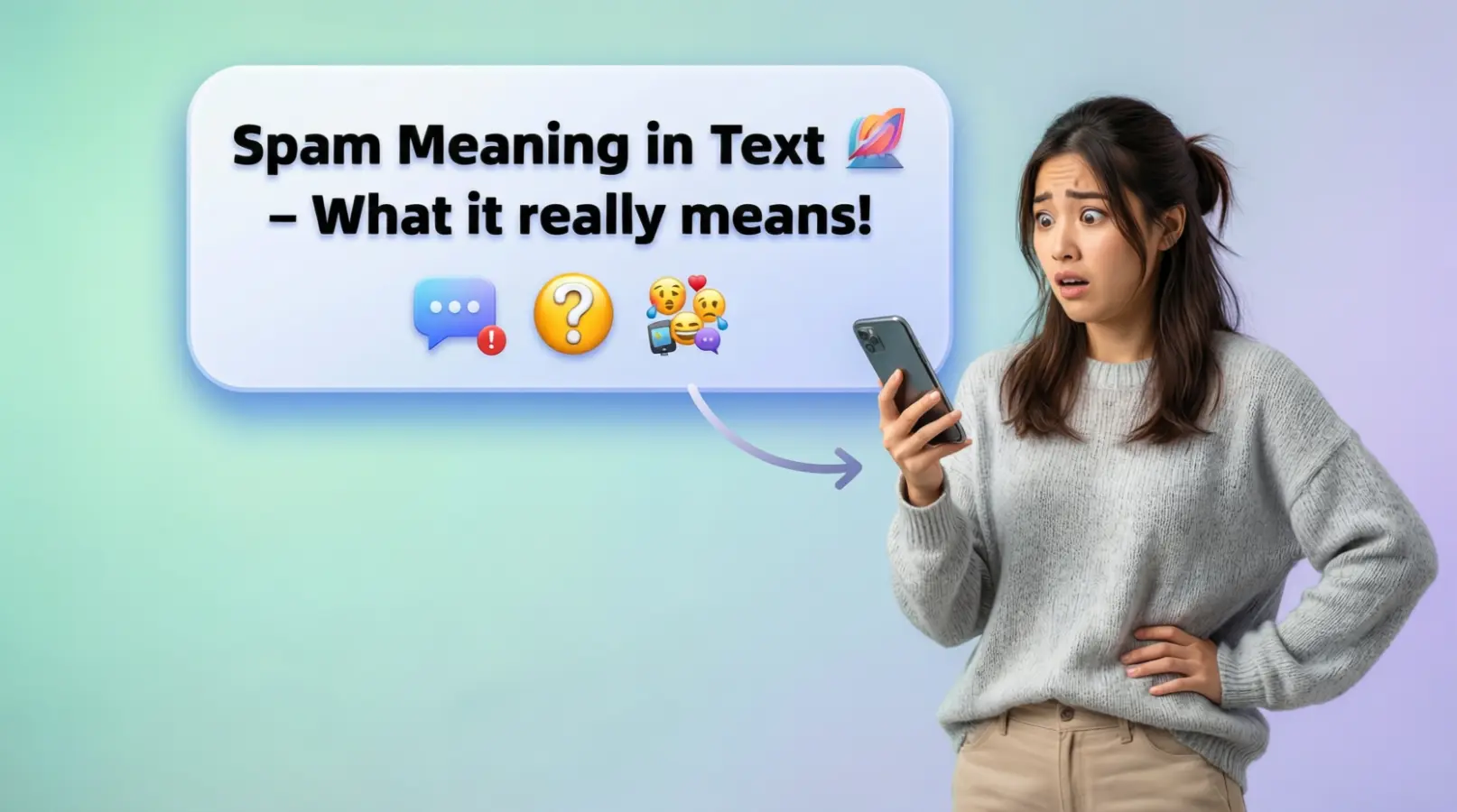
Spam means unwanted or irrelevant messages. In text, it’s a casual and warning-style way of saying this message is annoying, suspicious, or not useful.
🧠 What Does Spam Mean in Text?
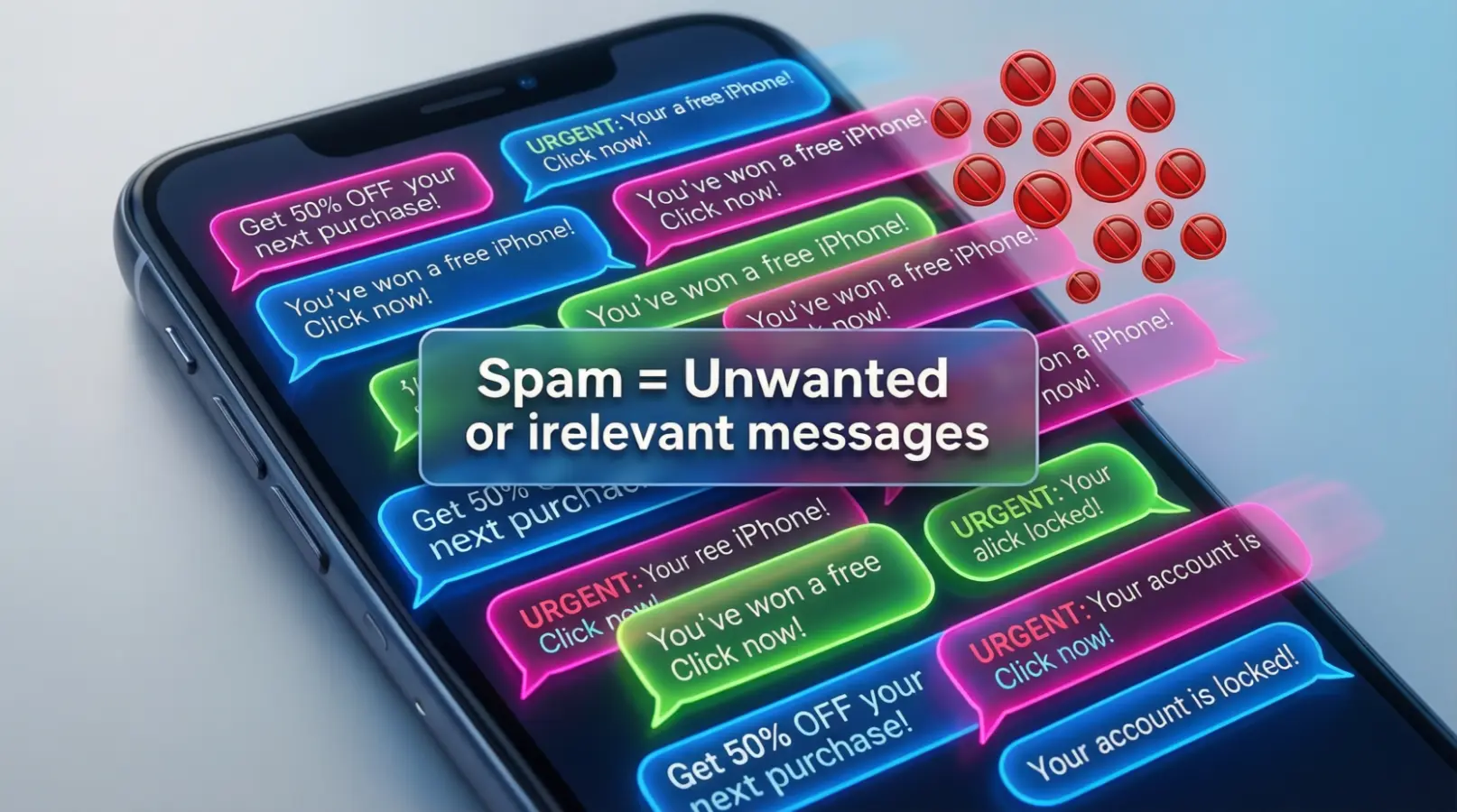
In texting and online communication, spam refers to messages you didn’t ask for and probably don’t want. These messages are often repetitive, promotional, misleading, or completely irrelevant to the conversation. People use the word spam to quickly label something as junk and warn others not to engage with it.
Spam messages can come from:
- Unknown phone numbers
- Fake social media accounts
- Automated bots
- Marketing tools
- Scammers pretending to be real people
For example, if someone sends you the same link five times or promotes something random in a personal chat, it’s usually called spam.
Simple example sentence:
“Ignore that message, it’s just spam.”
In short: Spam = unwanted messages = junk or annoying communication.
📱 Where Is Spam Commonly Used?
The word spam is extremely common across digital platforms. People use it casually to describe messages that don’t belong or feel suspicious.
Here’s where you’ll hear it most often:
- 📩 Text Messages (SMS) – fake prizes, promo offers, unknown senders
- 💬 WhatsApp & Messenger – forwarded links, repeated ads
- 📸 Instagram DMs & Comments – bot accounts, fake giveaways
- 🎥 TikTok Comments – irrelevant links and promotions
- 🎮 Gaming Chats – users flooding the chat with the same message
- 📧 Email – junk mail, ads, newsletters you never subscribed to
Tone & Style
- Casual and conversational
- Internet-friendly 🌐
- Common in daily chats
- ❌ Not formal
- ❌ Not suitable for professional communication
Spam is mostly used as a warning word or complaint, not something positive.

💬 Examples of Spam in Conversation
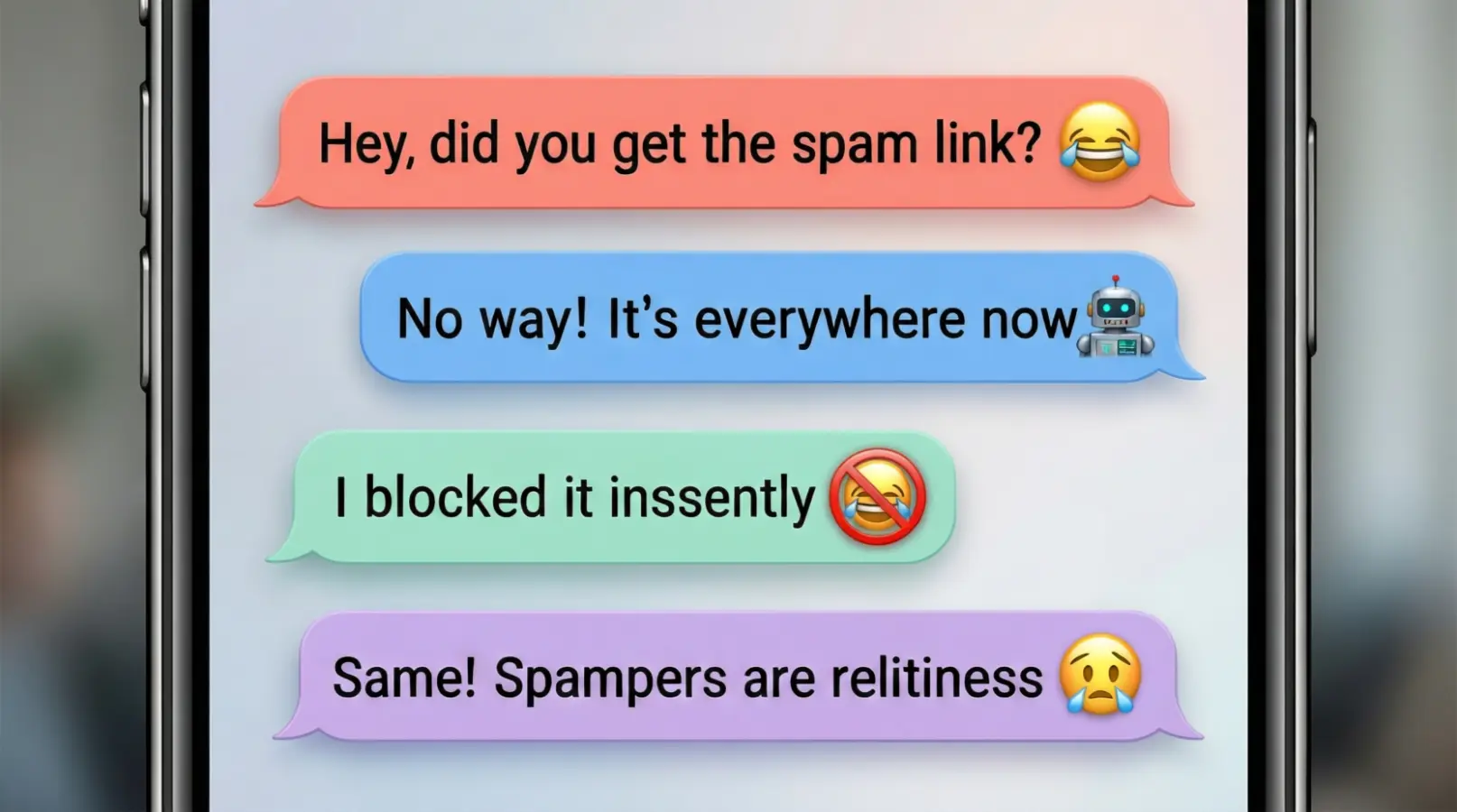
Below are realistic and natural chat-style examples showing how people use spam in everyday texting:
1 Example
A: “This number keeps texting me about crypto”
B: “yeah that’s spam, block it 🚫”
2 Example
A: “Why are there so many comments under this post?”
B: “most of them are spam bots 🤖”
3 Example
A: “I got a link saying my account is hacked”
B: “don’t click it, sounds like spam”
4 Example
A: “My inbox is full of random offers”
B: “same here, pure spam lately”
5 Example
A: “He keeps sending the same message”
B: “tell him to stop spamming you”
6 Example
A: “Is this giveaway real?”
B: “nah looks like spam 😅”
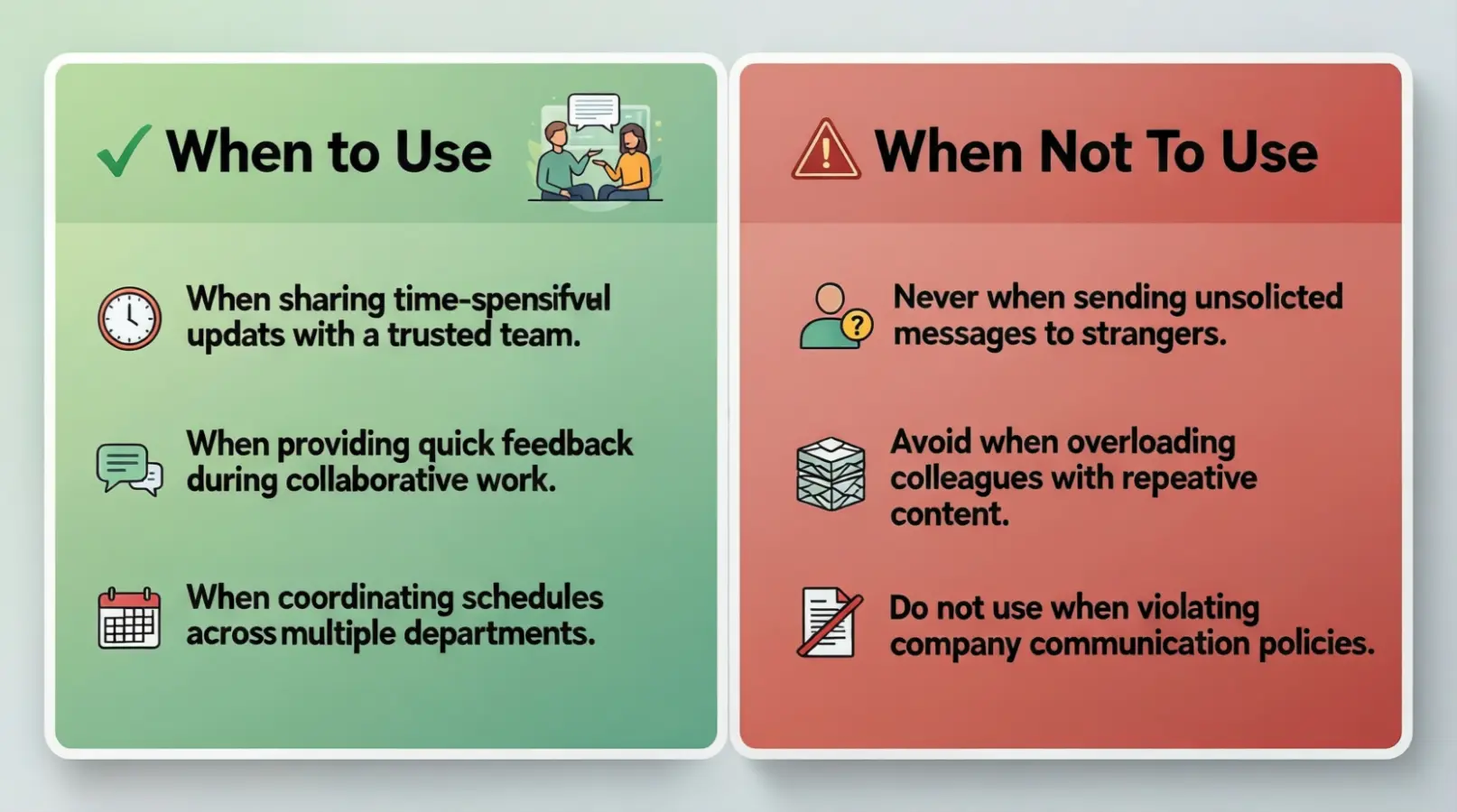
🕓 When to Use and When Not to Use Spam
Knowing when to use the word spam is important because it’s informal and context-based.
✅ When to Use
- Talking with friends or family
- Warning someone about suspicious messages
- Complaining about annoying or repeated texts
- Referring to junk emails or DMs
- Casual online conversations
❌ When Not to Use
- Work emails or office chats
- Customer service communication
- Legal or official discussions
- Academic or professional writing
📊 Usage Comparison Table
| Context | Example Phrase | Why It Works |
|---|---|---|
| Friend Chat | “That message is spam 😄” | Casual and clear |
| Group Chat | “Stop spamming the group” | Informal but direct |
| Work Chat | “These messages seem irrelevant.” | Professional tone |
| “Please disregard unsolicited emails.” | Formal and polite |
🔄 Similar Slang Words or Alternatives
Sometimes people use other words instead of spam, depending on tone and situation.
| Slang / Term | Meaning | When to Use |
|---|---|---|
| Junk | Useless or unwanted messages | Casual chats |
| Scam | Fake messages meant to trick | Warning others |
| Bot | Automated fake account | Social media |
| Phishing | Messages stealing data | Tech or safety talk |
| Flooding | Too many messages at once | Chat discussions |
| Unwanted messages | Neutral description | Formal use |
Each alternative changes the tone, so choosing the right word matters.
❓ FAQs About Spam Meaning in Text
❓ Is spam always fake?
No. Some spam messages are real promotions, but they’re still unwanted or irrelevant.
❓ Is spam a bad word?
Not really. It’s informal but commonly used and socially acceptable online.
❓ Can spam be used as a verb?
Yes. People often say “Don’t spam me”, meaning don’t send too many messages.
❓ Is spam used in flirting?
No. Spam has a negative or neutral meaning, not romantic or flirty.
❓ Can friends spam each other?
Yes, jokingly. For example, sending many memes at once is sometimes called “spamming.”
❓ How do I protect myself from spam?
Avoid unknown links, block suspicious numbers, and never share personal information.
📝 Final Thoughts
Understanding the spam meaning in text helps you stay informed and safe in digital conversations. It’s a simple word, but it carries an important warning. Whether you’re dealing with fake links, annoying promos, or repeated messages, calling something spam instantly tells others to be cautious. As texting and social media continue to grow, knowing common slang like this makes communication clearer and smarter. The next time you see a strange message, you’ll know exactly what it is — spam 📵📩.

I’m Emma Collins, a writer passionate about decoding slang, emojis, and the ever-changing language of the internet. I enjoy turning confusing phrases into clear, easy-to-understand explanations. My mission is to help readers stay in the loop with today’s digital lingo. When I’m not writing, I love exploring social media trends and chatting with friends about new expressions. I’m here to make learning modern language fun and simple!